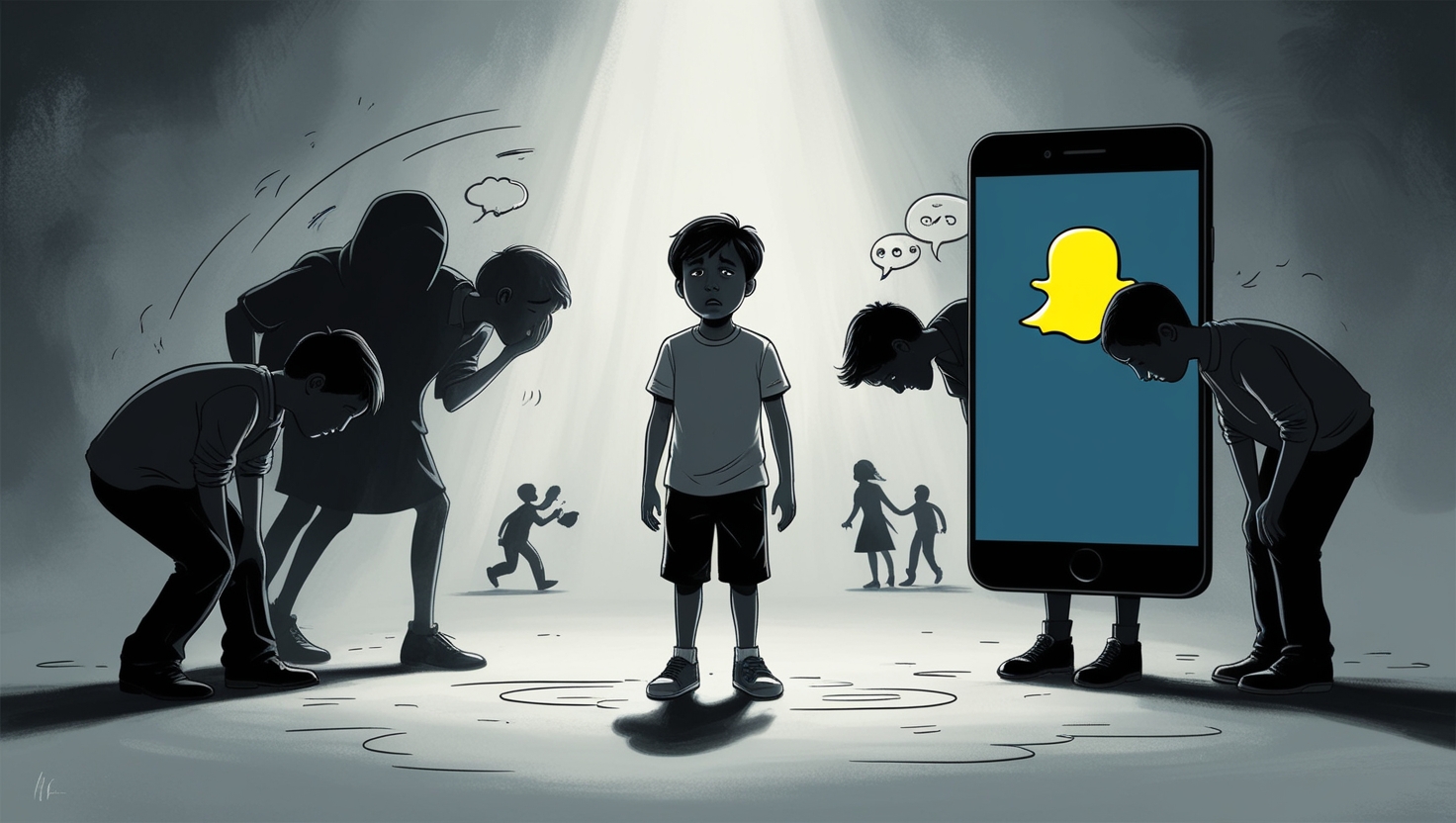
Bullying can wear many faces, each capable of leaving a lasting impact on a child’s well-being. Some forms are easier to spot, while others are more hidden but can be just as harmful. By understanding the different types, you can better recognize the warning signs, provide meaningful support, and take steps to prevent bullying before it escalates.
Below are the five main types of bullying, along with examples, common effects, and tips to help you intervene effectively.
1. Physical Bullying
What It Looks Like:
Physical bullying involves direct harm to a person’s body or belongings. It’s often the most noticeable because it leaves visible evidence.
- Examples:
- Pushing, kicking, or hitting someone
- Tripping someone in a hallway
- Stealing or damaging personal items (like tearing homework or breaking a phone)
- Forcing someone to do something against their will
Impact:
- Can lead to physical injuries and a persistent fear of being harmed
- Causes anxiety about attending school, sports practice, or social gatherings
- Often results in long-term emotional distress and a sense of feeling unsafe
Why It’s Easier to Spot:
- Victims may have bruises or torn clothing
- Children might suddenly avoid certain places or activities
2. Verbal Bullying
What It Looks Like:
Verbal bullying uses words to harm, humiliate, or intimidate. There are no physical marks, but the emotional impact can be just as severe.
- Examples:
- Name-calling or using insulting slurs
- Mocking someone’s appearance or abilities
- Repeatedly telling someone they are worthless or unwanted
- Spreading damaging rumors about a person
Impact:
- Can significantly lower self-esteem and lead to depression or anxiety
- Might cause a child to withdraw from social situations
- Emotional scars can persist long after the bullying stops
Why It’s Harder to Spot:
- Often happens out of adults’ earshot, like at recess or on the bus
- No physical evidence remains, making it easier for bullies to deny their actions
3. Social Bullying (Relational Aggression)
What It Looks Like:
Also known as relational aggression, social bullying aims to damage someone’s reputation or social standing and often happens within peer groups.
- Examples:
- Spreading rumors or gossip
- Intentionally excluding someone from events or group activities
- Encouraging friends to ignore or ostracize a particular child
- Publicly embarrassing someone to undermine their social status
Impact:
- Creates feelings of isolation and loneliness
- Can lead to self-doubt, social anxiety, and difficulty trusting others
- May have long-term consequences on the victim’s ability to form healthy relationships
Why It’s Hard to Spot:
- Usually occurs in private conversations, group chats, or social settings without adult supervision
- Leaves no physical evidence, making it easier for bullies to hide their behavior
4. Cyberbullying
What It Looks Like:
Cyberbullying takes place online or via electronic communication (texts, social media, gaming platforms, etc.). It can follow a child anywhere, making escape feel impossible.
- Examples:
- Sending hurtful or threatening messages
- Posting mean comments or personal information online
- Creating fake accounts to impersonate or harass someone
- Sharing private photos or conversations without permission
Impact:
- Victims may feel there’s no safe space, even at home
- Can cause severe anxiety, depression, and, in extreme cases, self-harm
- Public exposure intensifies feelings of embarrassment and shame
Why It’s Hard to Spot:
- Usually happens on personal devices, out of adult view
- Hurtful messages or posts can be quickly deleted, making evidence difficult to track
5. Sexual Bullying
What It Looks Like:
Sexual bullying includes any comments, gestures, or actions of a sexual nature that make someone feel uncomfortable or violated. It can happen in person or online.
- Examples:
- Making inappropriate jokes or comments about someone’s body
- Sharing personal or intimate information without consent
- Pressuring someone into unwanted conversations or actions
Impact:
- Leads to emotional distress, anxiety, and fear
- Can cause a child or teen to feel shame and unsafe in their environment
Why It’s Important to Address:
- Victims may be too embarrassed or frightened to speak up
- Teaching kids and teens about personal boundaries and respect is crucial to prevention
Talking to Kids About It:
- Encourage them to share any conversation or experience that makes them feel uneasy
- Reinforce that they never have to keep secrets that make them uncomfortable
Final Thoughts
By understanding these different types of bullying, you’ll be better equipped to identify red flags and step in when needed. Whether the bullying is physical, verbal, social, cyber, or sexual, it can leave lasting emotional and psychological scars. If you suspect a child is being bullied, listen without judgment, offer support, and collaborate on solutions—such as talking to school officials or setting healthy online boundaries.
When we take bullying seriously and address it head-on, we move closer to creating a compassionate, safe environment where every child can thrive. Together, we can build a world that values kindness over cruelty.
Over the next few weeks we will be looking at these types of bullying in more details, especially cyber-bullying which is on the rise, and can be very difficult to control.